
It looks like that part of early spring has finally arrived — the one gardeners like the most. The temperature has finally stabilized. At night it doesn’t drop below 2°C anymore, and during the day it can reach as much as 20°C. The sun has started to warm things up properly, the soil is slowly getting warm, and my hands automatically start looking for a shovel!
So over the past week I got busy with the first post-winter jobs in the garden.
First, I dug some compost into the garden beds. After winter the soil always looks a bit sad, so a good dose of garden goodness really helps bring it back to life. While I was at it, I also did some small cleanup — old pots that were only taking up space finally ended up where they belonged: in the trash.
And since a bit of space suddenly appeared, of course I couldn’t let it go to waste. In place of the old pots I created two new garden beds. I always seem to have the same problem — it looks like there’s plenty of space, but somehow there’s never enough room for new plants.
At this point I think it’s safe to say that the gardening season has officially begun.
Last weekend, on March 1st, I sowed the first vegetables directly into the ground — carrots and parsley. These are some of the plants that don’t mind cooler soil, so they’re perfect for the start of the garden season.
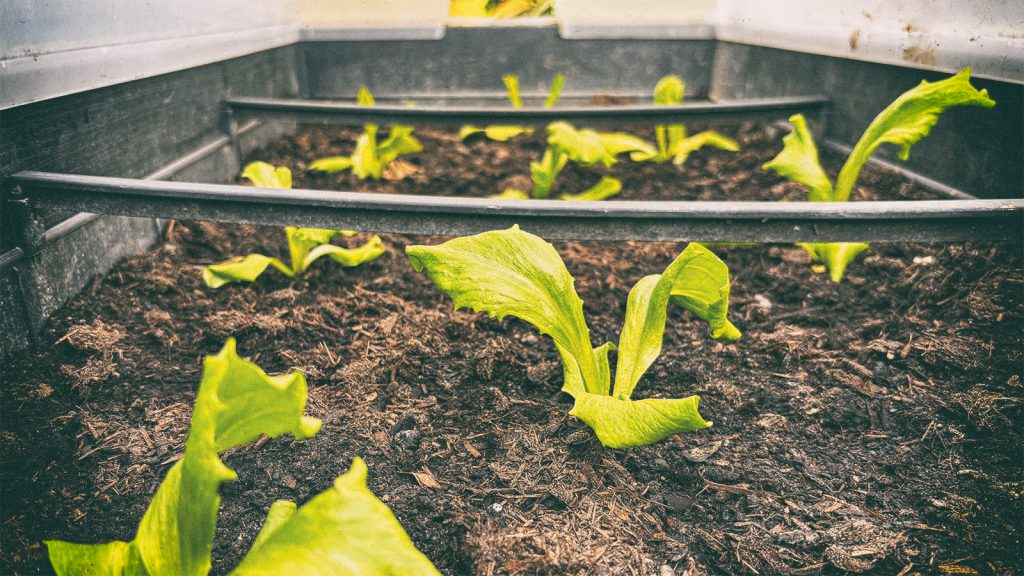
Then yesterday, March 7th, lettuce seedlings went into the soil. In three small greenhouses I planted iceberg lettuce and butterhead lettuce. Now all that’s left is to hope the weather doesn’t surprise us with an unexpected return of winter.
While I was doing the cleanup, I also checked on the strawberries. After winter they had quite a few dry, wilted leaves, so I cleaned them up a bit. Underneath, new fresh light-green leaves are already appearing.
That’s always a good sign — strawberry season is on the way.
The gooseberry is also starting to show its first green leaves. If everything goes like it does every year, in about two weeks I’ll have to spray it with neem oil. Every year sawfly larvae show up and they can turn the leaves into lace in just a few days. Prevention is definitely better than trying to save the bush afterward.
Yesterday I also transplanted my Tiarella ‘Angel Wings’. These are really beautiful plants. Their green-and-burgundy leaves look fantastic in shady spots.
The problem is that they’re quite enthusiastic growers. Their roots travel underground and send out runners that produce new shoots in completely random places. From time to time the whole clump needs to be dug up, trimmed a bit, and planted again where it’s actually supposed to grow.
A bit of work, but at least it’s an easy way to make new plants.
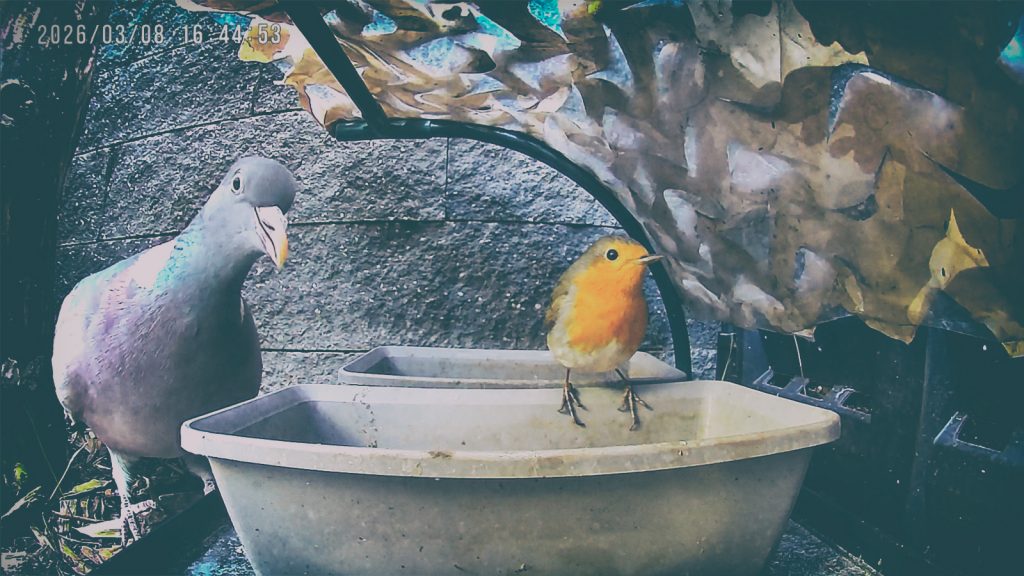
While I was transplanting them, I also had a small helper. A European robin showed up. As usual in situations like this, instead of focusing on my work I started digging up earthworms for him. The robin seemed very happy with this arrangement. I was too.
I posted a short video from that moment on Instagram, so if anyone wants to see my little garden companion, feel free to check it out there.
One plant does worry me a bit though — my horseradish.
Instead of large, wide leaves, it has produced small, thin, almost needle-like ones. Fortunately it seems that this is a fairly normal phenomenon called heterophylly. Apparently once the weather gets properly warm, the plant should start producing its typical large leaves. I certainly hope so, because it’s hard to imagine salt-brined cucumbers without horseradish leaves.
The garden is waking up, but things have also started indoors.
I officially declare the windowsill growing season open. On a sunny windowsill I’ve already sown cherry tomato seeds. The spot has been claimed, and now all that’s needed is a little water, plenty of light, and a good amount of patience.
More seeds will join them soon. I’m just waiting for a package from Amazon that’s probably already on its way. And when it arrives, the windowsills will turn into a small indoor greenhouse.