
It’s mid-April, and in the gardener’s calendar this is the moment when coffee on the terrace tastes the best, but you drink it on the go because the to-do list gets longer with every ray of sunshine!
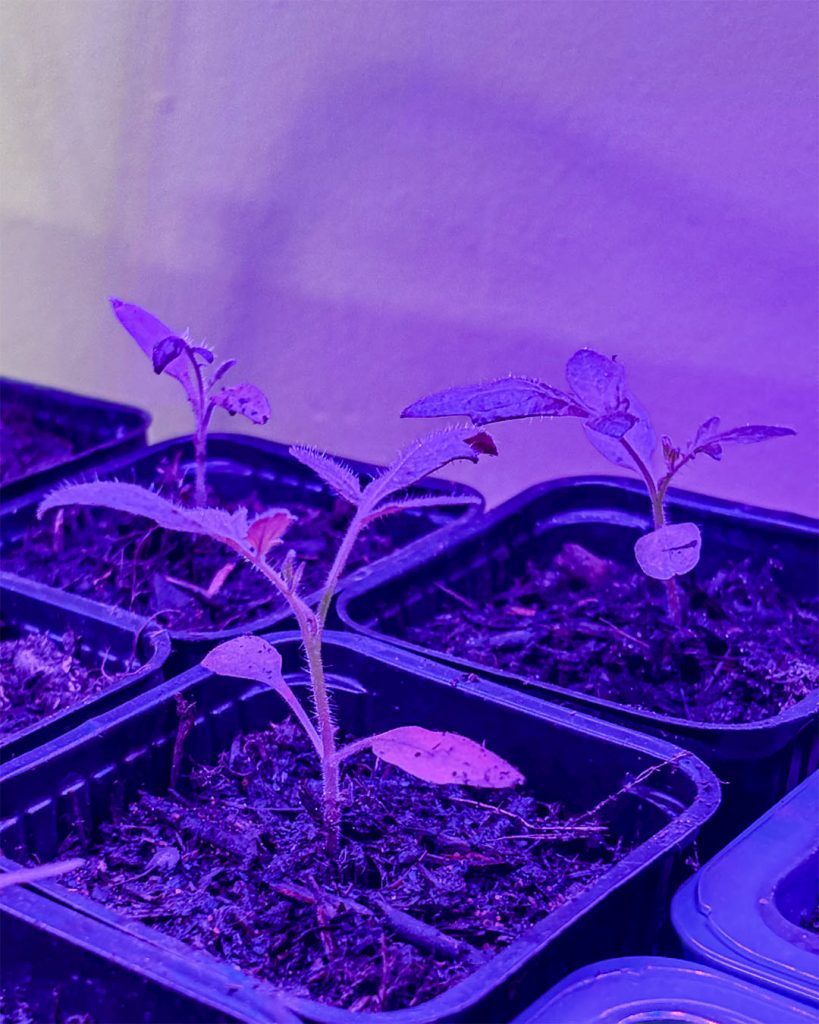
If your tomatoes on the windowsill have already grown two or three true leaves, it’s a sign that it’s time to move them to bigger pots. Remember one golden rule – plant them deeper than they have grown so far. Tomatoes have an amazing ability to grow roots along the entire length of the stem that ends up under the soil. By burying them all the way up to the first leaves, you give them a powerful root system. The more roots, the better the plant takes up water and nutrients, and as a result – the bigger and sweeter the fruits will be in August!
In a week it will be time for cucumbers and zucchinis. You don’t have to treat them as gently as tomatoes. They grow fast, so we sow them later and usually straight into their final, larger containers to save them the stress of transplanting. If you drop two cucumber seeds into one pot, you won’t need to separate them later!
For those of you who couldn’t wait for spring and sowed lettuce already in March, I have good news – it’s time for the first harvest! If it grew in full sun, it should already tempt you with juicy green leaves, just don’t pull the whole lettuce out with the roots. Pick the outer leaves. This way the center of the plant will keep producing new ones, and you’ll enjoy fresh greens for many weeks from just one plant!
In the garden you can already see the first strawberry flowers, which always fills me with optimism, but this year my attention was caught by horseradish. It decided to send up flower stems already in April. If you want thick, fleshy roots and big green leaves for pickles, cut those stems as low as possible. Flowering is a huge energy effort for the plant, and all the power should go into the root and leaves. But if you’ve never seen horseradish in bloom – leave one stem just out of curiosity. The flowers are small, white, and quite charming!
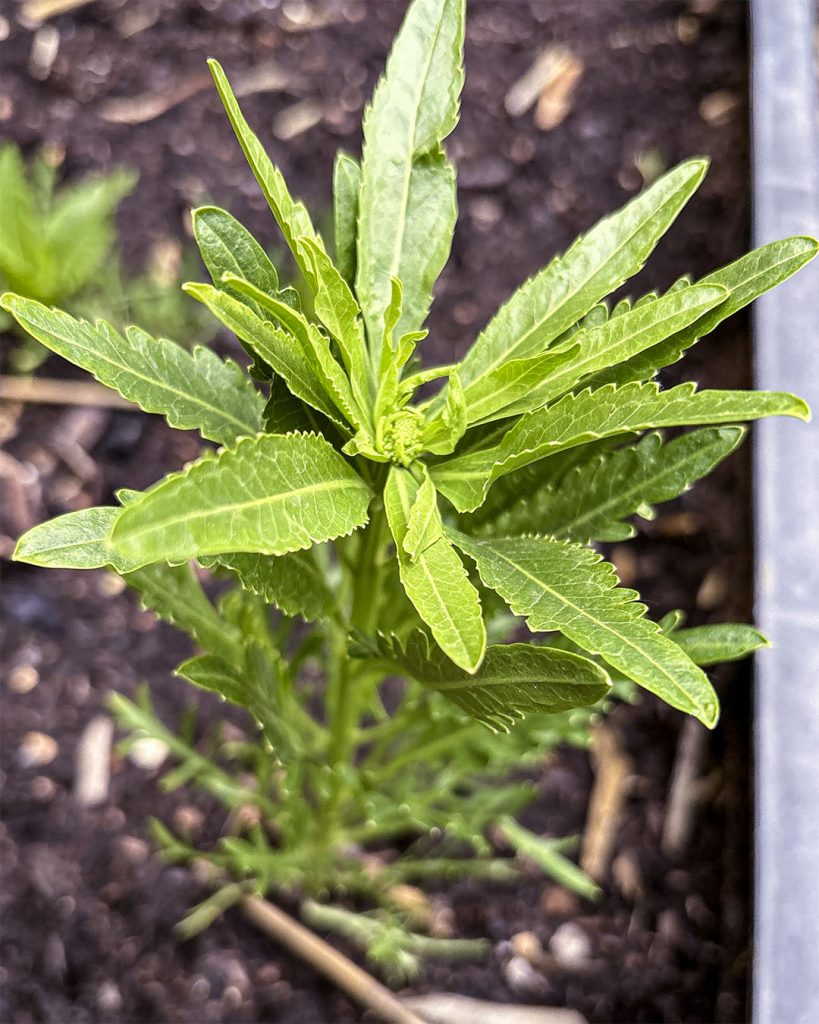
April is a strange month. A few days of rain and cold, and then a sudden wave of heat. Remember that young plants like lettuce, strawberries, or sprouting carrots still have very shallow root systems. During those sudden, dry, warm days, the top layer of soil dries out very quickly, and the plants can’t reach water. Stop by them with a watering can!
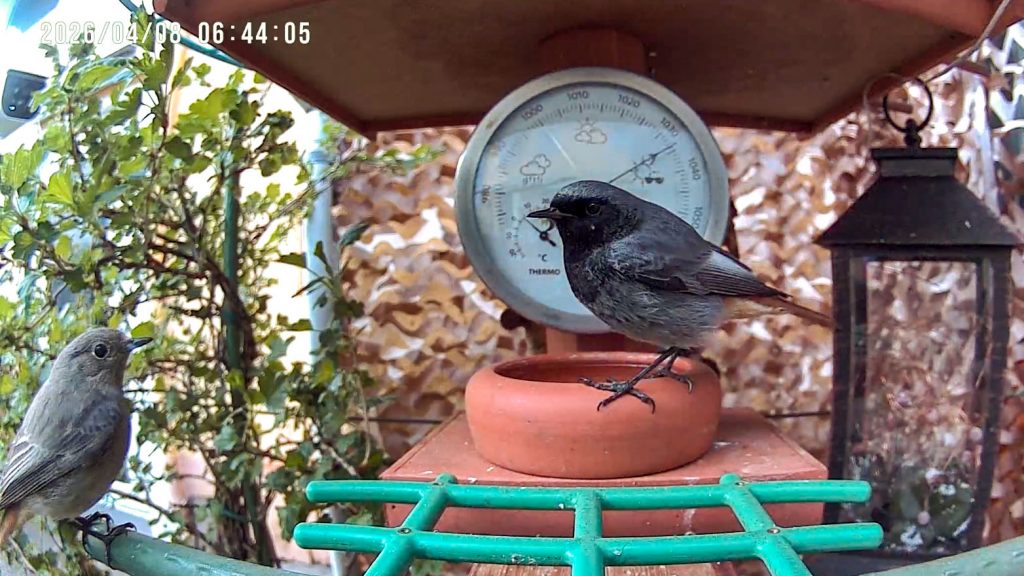
In the beds it’s still calm, but in the air there is magic happening! My winter companion, the robin, packed up and flew north. In its place, straight from the warm south, a family of black redstarts has arrived. This is their second year with me – last year they were shy, now they seem more at home, looking into the garden more confidently. I know it may sound a bit naive, but I always have this funny hope that it’s exactly the same birds that came back!
However, I look with sadness at the emptiness after the sparrows. Last year there were five of them, cheerfully chirping under the neighbors’ roofs. Unfortunately, people still destroy nests and chase these birds away, and yet sparrows are a natural pesticide! When they feed their young, they eat unbelievable amounts of aphids, caterpillars, and other larvae that destroy leaves. Without them the garden becomes quieter and more eaten by pests.
Now, when all birds are building nests, they also need fuel. Flying with hay and sticks is hard physical work. That’s why the feeder should have finely ground peanuts, sunflower seeds without shells, and dried mealworms – pure energy and fat. I avoid cheap mixes with a lot of millet or other grains. Birds usually throw them away looking for something better, and the seeds end up in the soil, where they rot or sprout like weeds.
For wood pigeons and blackbirds I have a separate spot on the ground. That’s where whole peanuts and oat flakes go. The peanuts must be natural, bought in a feed store – never salted from the supermarket! Salt is poison for birds.
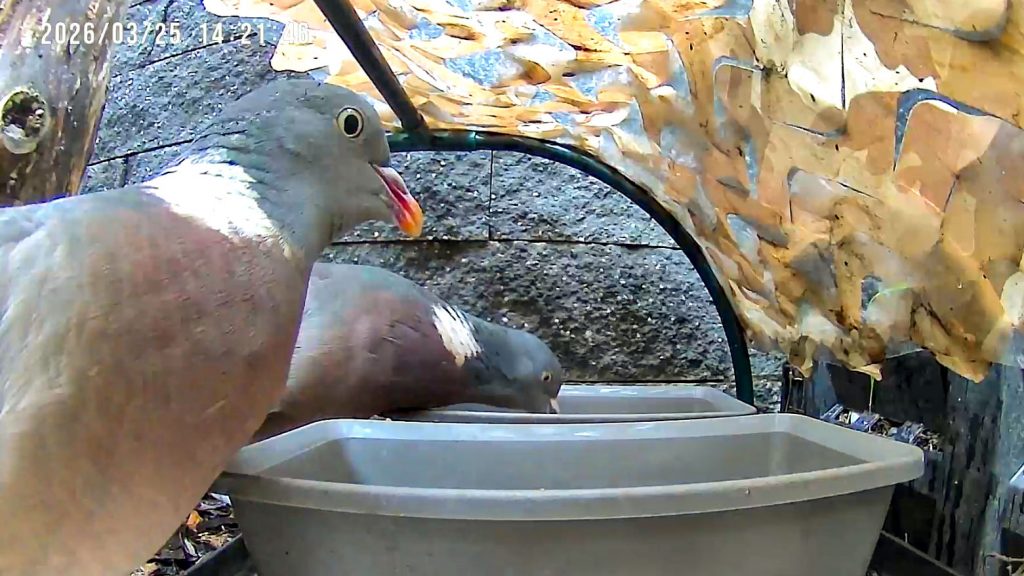
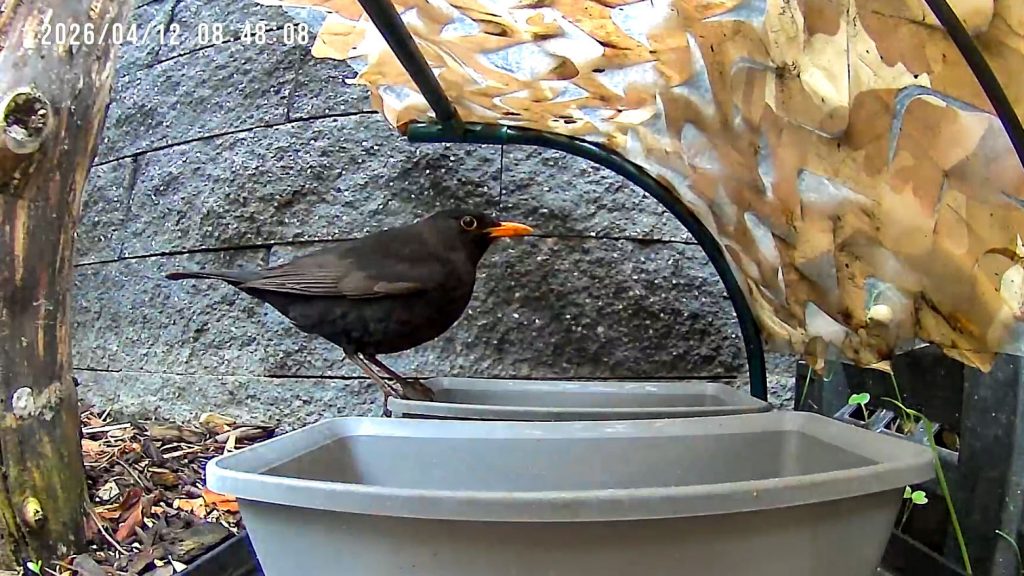
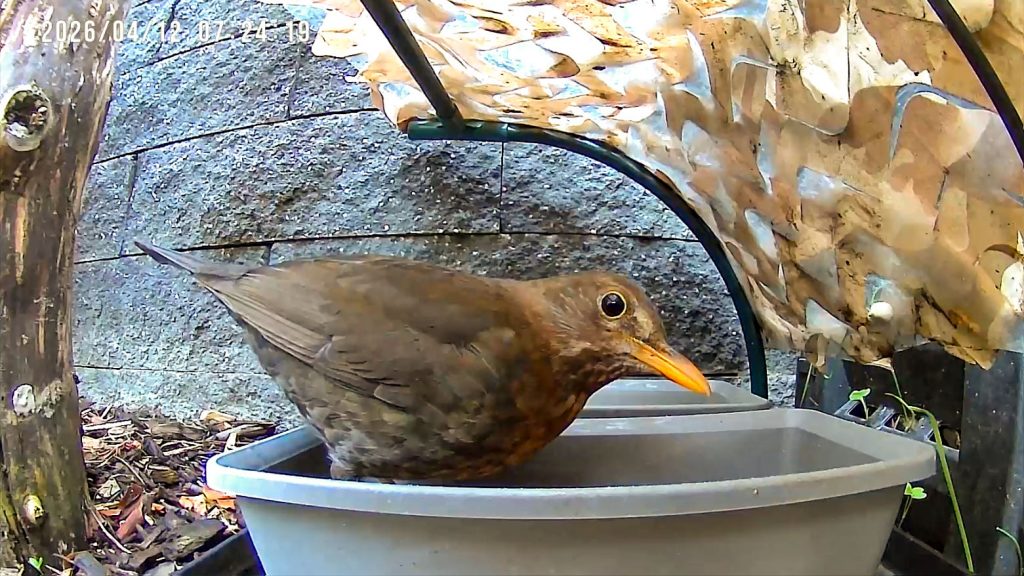
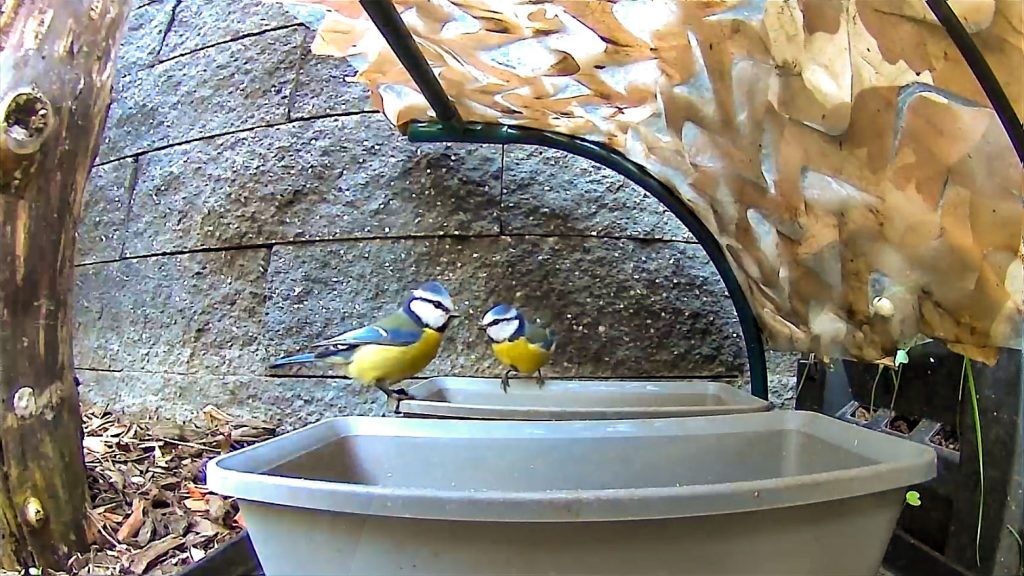
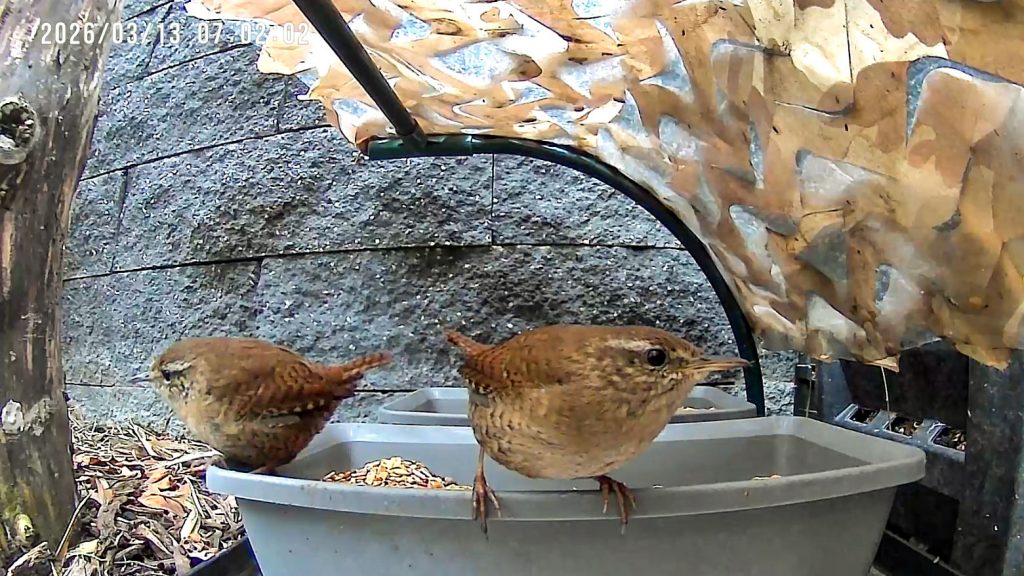
Blackbirds make a terrible mess while eating, but don’t worry – wood pigeons are a great cleanup crew that will carefully vacuum everything up after them.
Keep your hand on the watering can!